

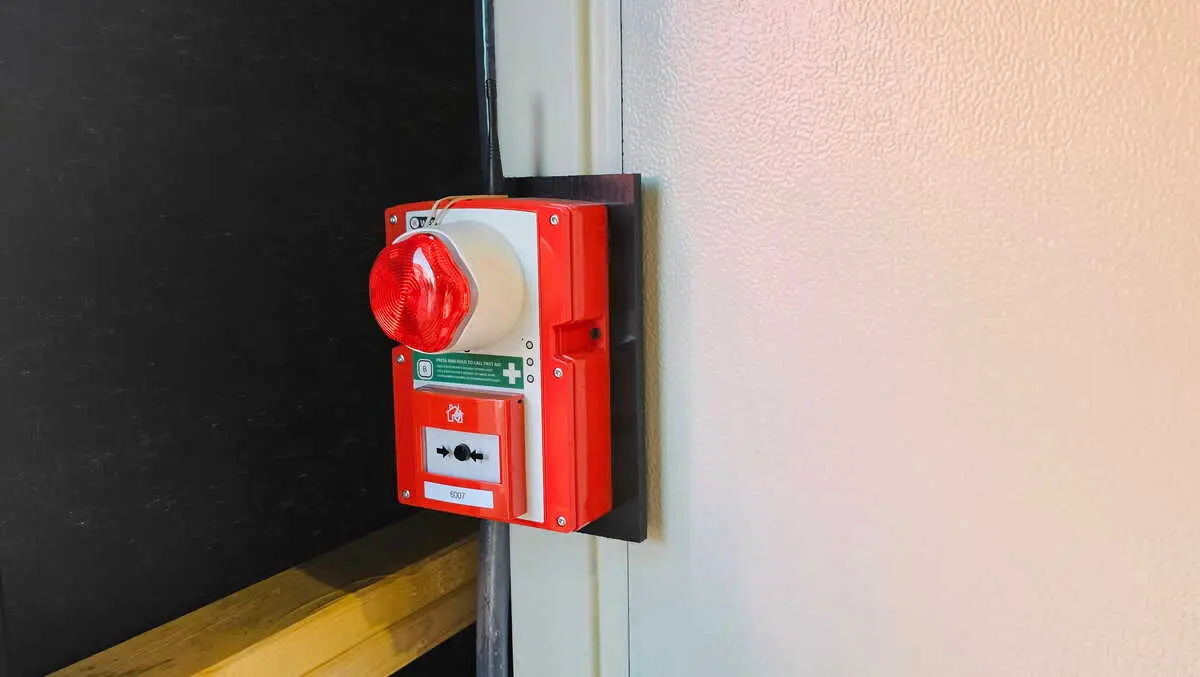
Ramtech installs wireless fire detection system at Le Mans
Thu, 16th Jul 2026.webp)
Ramtech has deployed a wireless fire detection system at the 24 Hours of Le Mans, covering key temporary event areas during the 2026 race.
Installed with event infrastructure specialist iEvent and integration partner Prodomo, the system used more than 300 wireless devices across 14 team paddocks and the Genesis Hospitality Building. The network included smoke and heat detectors, along with manual call points.
Secured on a one-month rental basis, the system provided continuous fire monitoring during the build-up and live phases of the event. The core live installation ran for one week.
The project marks another step into major sporting events for Ramtech, a sector that has typically relied on manual fire watch patrols in temporary environments. The Le Mans deployment followed a similar installation at the Formula 1 Hungarian Grand Prix.
Event safety
Temporary race infrastructure can create challenges similar to those on large construction and industrial sites, including shifting layouts, compressed installation schedules and high-value equipment concentrated in confined areas. Ramtech said its wireless mesh system allowed devices to be added or moved quickly as paddocks and hospitality spaces changed before race day.
Bruna Esposito, Business Unit Director, Ramtech, described the wider backdrop to the project.
Esposito said: "The environment at a modern Grand Prix or endurance race closely mirrors the extreme complexities of major commercial construction or industrial sites: massive temporary structures, constantly evolving site layouts, tight installation windows and millions of dollars in critical team assets. Managing these risks via manual human patrols is increasingly seen as an outdated and reactive liability.
"We are seeing a fundamental shift in how the world's largest public events manage fire safety. Rather than relying on traditional, human-led fire watch personnel to manually patrol grounds, tier-one event organisers are embracing automated wireless safety technology to protect people and temporary infrastructure. This project represents an important milestone for Ramtech, demonstrating the trust that global event organisers place in our technology."
Le Mans is one of the most logistically demanding fixtures in motorsport, with temporary paddocks, hospitality areas and support infrastructure assembled for a short operating window. That can make wired systems harder to install and adapt once site layouts begin to change.
Antoine Galicher, Project Manager, iEvent, said: "Flexibility was one of the key reasons we chose Ramtech's WES system. For an event of this scale, we needed a solution that could deliver both reliability and ease of deployment, allowing us to adapt quickly as requirements changed. The wireless technology simplified installation while helping us maintain the high safety standards expected at Le Mans."
Broader use
Ramtech is better known for supplying temporary fire detection and site safety systems to construction, infrastructure and industrial projects. Its work at Le Mans and the Hungarian Grand Prix points to wider use of automated fire monitoring at international events and festival sites, where organisers need short-term protection without extensive cabling.
According to Ramtech, the customer at Le Mans had initially been looking to improve fire safety without realising an automated temporary system was available for that type of site. The project in France was led by the company's local team.
Sylvain Castaignau, Business Development Manager for Ramtech France, said: "The customer was initially looking for a solution to improve fire safety but was not aware that an automated system like WES existed. From the first demonstration, it became clear that the flexibility and functionality of the system were perfectly suited to an event environment where requirements change daily. This project proves how temporary fire protection can evolve beyond traditional fire watch approaches."
Ramtech also linked the shift away from manual patrols to weather-related pressures during summer events. It said rising temperatures and heatwaves can increase occupational strain for staff carrying out continuous patrols and heighten concern over fire outbreaks in dry outdoor spaces.
Esposito added: "With the additional risk posed by increasing summer temperatures and prolonged heatwaves, relying on manual human labour for continuous fire watch patrols introduces major occupational health risks and soaring overtime costs. In addition, there is heightened concern around the potential for outbreaks of fire, particularly in dry outdoor spaces where events may be held."
Ramtech said it has installed more than 500,000 units globally across 33 countries, supplying temporary life safety systems for sites where permanent fire infrastructure is unavailable or impractical.