

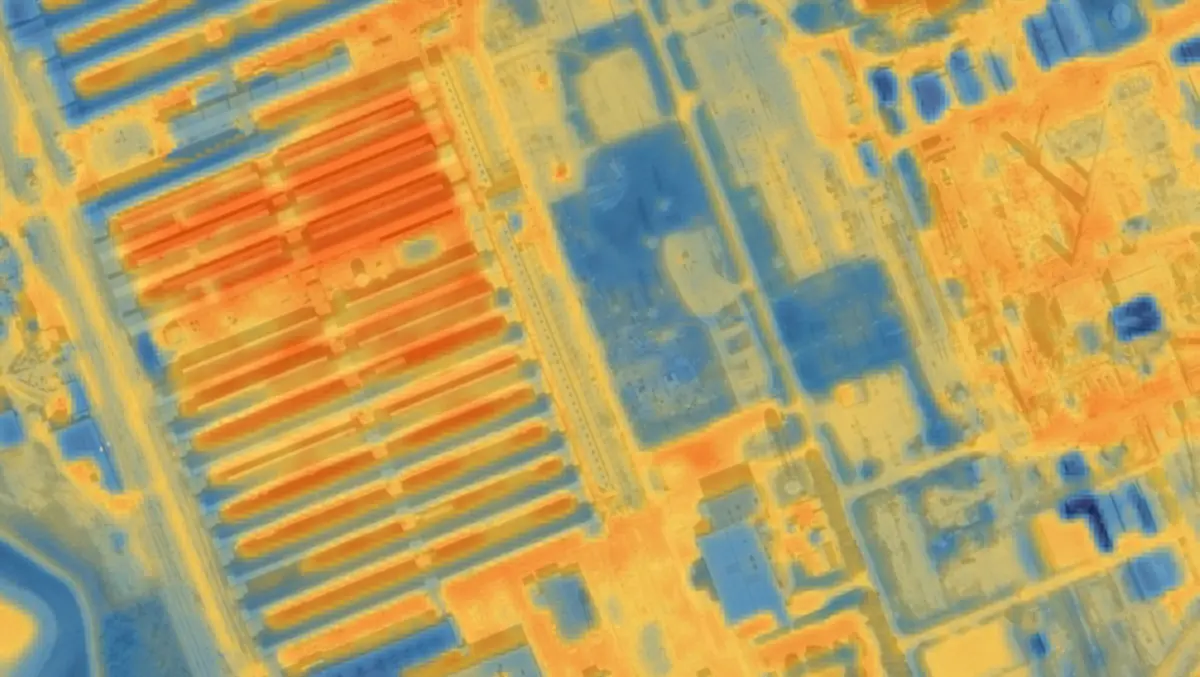
SatVu maps crypto miners' heat from space in Texas
Mon, 12th Jan 2026
SatVu has released a 3.5-metre resolution thermal satellite image of a large crypto mining data centre campus in Rockdale, Texas, in a move the company said shows operational activity from space.
The image focuses on the flagship site of a bitcoin mining company in the town, which SatVu described as one of the largest facilities of its kind in the US. SatVu said the picture shows heat signatures across cooling systems, transformers and electrical yards. The company said the data gives a near-real-time view of which parts of the campus are active and which remain dormant.
Data centres have drawn increased scrutiny as demand rises from AI workloads, cloud computing and crypto mining. Operators have expanded footprints and power requirements in multiple regions. Grid operators and regulators have faced questions about how quickly new sites connect and how much electricity they draw once they start full operations.
Thermal imaging
SatVu said thermal measurements can provide an independent signal of activity at a facility. The company said a heat-based view can show whether cooling plants and electrical infrastructure operate at load. It said such signals can indicate operational behaviour, rather than construction completion alone.
The company said the new image captures distinct thermal signatures across rooftop chillers, transformers and electrical yards. SatVu said the patterns indicate which sections of the campus run and which sections do not. It said the patterns can also show changes in activity across different phases of a multi-building site.
The company positions the approach as a way to track when large facilities come online. It also describes the data as a way to monitor how capacity use changes over time, based on repeated observations.
Demand pressures
Industry forecasts have highlighted the scale of expected investment in the sector. SatVu cited McKinsey estimates of more than USD $7 trillion in global spending on data centre infrastructure by 2030. It also cited projections of US demand growth of 20% to 25% a year.
That growth has sharpened focus on the energy footprint of digital infrastructure. Local communities in several markets have raised concerns about noise, water use for cooling, and the impact of rising electricity demand. Policymakers have also considered how the sector fits with national climate goals and grid resilience plans.
SatVu said an image-based view can offer a common reference point for different stakeholders. It said regulators and grid operators seek better visibility into how large power users affect local systems. The company said analysts track where new capacity appears and how quickly it reaches steady operations.
Operational signals
SatVu said thermal imagery can support both an overview and more granular signals. It said a wide-area view can show whether a whole facility operates or whether activity concentrates in certain sections. It said closer views can show which substations and cooling systems run under load.
The company also framed the approach as a way to reduce reliance on updates from site operators or third-party reporting. It said heat signatures offer physical indicators that reflect activity at the time of observation.
"Today's data centre buildout is moving incredibly quickly, and the world needs better ways to understand what's actually happening on the ground. Thermal data gives an objective view of operational activity as it occurs - not weeks later through reports or announcements," said Thomas Cobti, VP Business Development, SatVu.
Broader uses
SatVu said it plans to apply the same approach to other sectors that rely on heavy industrial equipment and continuous processes. It said high-resolution thermal imagery can capture day and night activity at 3.5-metre resolution. It also said a future constellation could provide up to 20 revisits a day.
The company listed potential applications in steel and cement manufacturing, including monitoring blast furnaces and kilns. It also pointed to oil and gas operations, including the detection of flaring intensity and shutdowns. It said the data can support verification in power generation and tracking in carbon capture projects.
SatVu also referenced environmental monitoring use cases. It said thermal readings can support early detection of risks such as leaks and equipment failures. It also said the information can highlight climate compliance gaps.
For data centres, SatVu said interest in independent monitoring increases as electricity demand rises and new sites connect to grids. The company said near-real-time visibility of load-related infrastructure could become a reference point for assessing the pace and distribution of growth in large-scale digital infrastructure.