Climate resilience stories
Tolls and other user charges could help fund New Zealand’s roads and water networks, while easing pressure on taxpayers and congestion.
Civil contractors warn the slow pipeline could force more job cuts unless immediate work is brought forward to keep firms afloat.
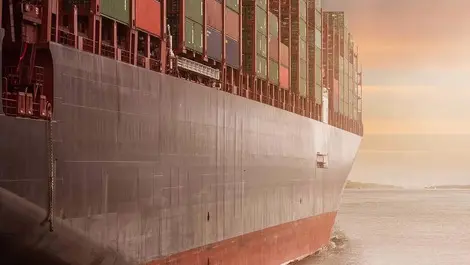
Climate shocks at key sea lanes could lift costs for Kiwi exporters, though New Zealand is expected to be less exposed than other regions.
Cyclone Gabrielle showed why decentralised power could keep homes, water and communications running when the main grid fails.
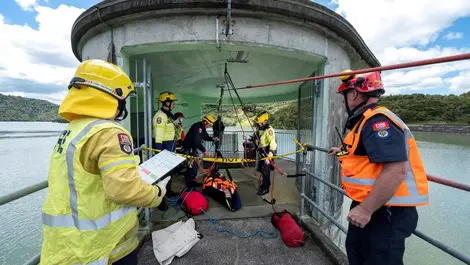
The drill exposed gaps in Watercare’s rescue plans and could improve real-world response times at remote sites.
Activity in the sector is set to return to 2020 levels as post-Covid demand eases and residential consents settle lower.
Maintenance costs have surged 71% in three years, as a review warns Wellington ratepayers are funding leaks without proper oversight.
Cities are moving to protect residents and assets as heatwaves, floods and storms intensify, with four in five now facing climate hazards.
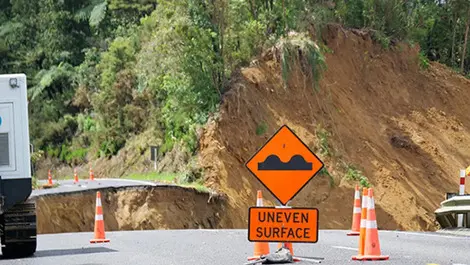
The viaduct’s early opening has cut months off a vital coastal link, easing supply delays and proving faster delivery can save money.
A UN University report warns that water, food, heat and insurance systems are nearing tipping points that could trigger collapse.
Without more public transport and safer active travel, higher fuel prices risk pricing more Kiwis out of everyday trips.
New Zealand’s project list is poised to outpace Australia’s on a per capita basis, but delays could push capital and labour offshore.
A longer-term plan could unlock up to NZD $4.7 billion a year in extra infrastructure spending as certainty replaces costly policy swings.
A $24.8 billion roads and public transport plan could give builders more certainty and lift jobs, commerce and regional growth.
New Zealand’s infrastructure sector is urging the incoming Government to speed up investment, reform planning and tap private capital.
Infrastructure groups warn uncertainty is deterring investment, slowing digital upgrades and leaving New Zealand exposed to worsening climate shocks.
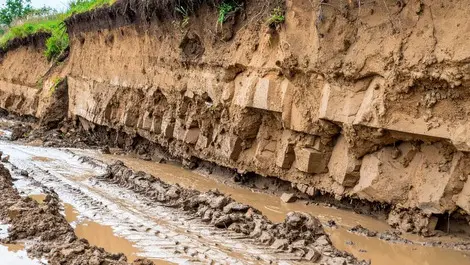
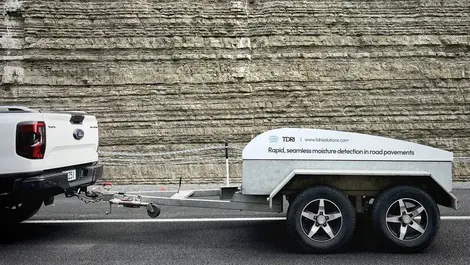
A new moisture-sensing tool could cut road deterioration by 2.5 times, helping asset managers avoid costly reactive repairs across networks.
Desperate tenants are now offering above asking rents as migration and storm damage squeeze Auckland's inner-city housing supply.
Homes could cost slightly more to build, but lower energy bills and emissions are expected as Australia lifts its NatHERS bar to seven stars.
A proposed USD $35-45 billion crossing is being criticised for entrenching car dependency while risking the loss of promised light rail.