Device security stories
The trial could cut the labour and security risks of bringing hundreds of connected devices online, with automatic setup from first power-on.
Smartphone apps used for banking and workplace access will face tougher defences as the partners recruit two cybersecurity researchers for a 30-month project.
Growing demand for managed detection and response is driving the company's UK expansion as boards face tougher resilience expectations.
The move gives Appdome more sales and customer firepower as it races to scale its AI-driven mobile security platform against rising threats.
Its Asia-Pacific revenue has been rising 50% a year as the mobile security group opens a Singapore hub for sales, support and engineering.
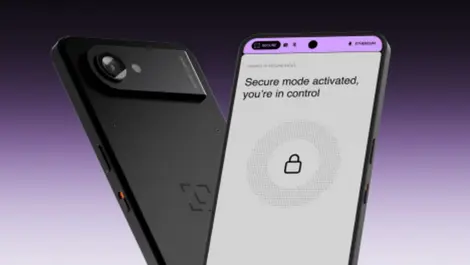
It is aimed at people approving payments, identities and AI tasks on mobiles, with hardware controls designed to block spyware and mistakes.
More organisations are treating access control controllers as strategic infrastructure, even as missing cybersecurity features rise to 32% of systems.
The new models aim to give utilities, emergency crews and factory teams tougher, better-connected kit for work away from the office.
Fake AI trading tools and QR code lures are helping hackers steal crypto logins and dodge desktop security controls.
Early security design can improve uptime and reveal operational data in data centres, but only if cybersecurity is built in from the start.
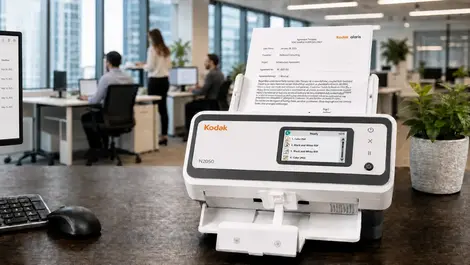
Distributed offices can now standardise document capture with scanners that protect records, reduce rework and support audits across multiple sites.
Hundreds of attempted uploads were stopped as a regional investment bank moved to curb analysts' use of public AI tools for sensitive data.
Businesses risk being misled into revealing information unless phone systems can verify caller identity across increasingly complex cloud-linked networks.
Manufacturers face a 24-hour EU reporting deadline only after proving a flaw is in their product and actively exploited, testing their records.
The range adds privacy and eye-comfort options as accessory makers race to court iPhone 18 Pro buyers beyond basic drop protection.
The integration aims to help customers separate real attack paths from false alarms, speeding remediation across several security workflows.
Banks and fintechs can now spot suspicious activity mid-session as mobile fraud and device compromise grow more costly in real time.
Many organisations are still at an early stage of post-quantum adoption, with most only planning or testing quantum-safe cryptography.
Mongolian subscribers will get managed WiFi, security tools and parental controls free as Mobinet broadens its broadband offer beyond speed alone.
The new models are 11% thinner and up to 16% lighter, giving small firms portable work PCs with basic security and broader port options.