Downtime stories
The new devices target outages, power faults and timing errors that can disrupt AI servers as racks become denser and demand rises.
The funding backs efforts to reduce downtime in large AI systems as optical links become a critical bottleneck across data centres.
Enterprises under pressure from alert overload may gain faster incident as the platform ties AI recommendations to strict human approvals and audit trails.
It aims to help operations teams pinpoint outage causes faster by turning packet data into plain-language answers, evidence and follow-up prompts.
More than a third of industrial decision-makers now see cyber risk as a top barrier to growth, a Rockwell survey found.
Outages are detected quickly in Australia and New Zealand, but fragmented monitoring leaves teams slower to restore services across APAC.
Incomplete asset inventories are leaving industrial operators exposed, with only 21% able to track every OT system despite 88% calling programmes mature.
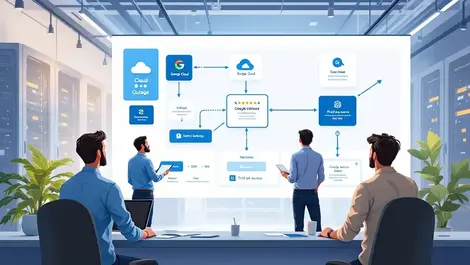
Customers can use the six-step workflow to tell whether an outage stems from Google, their own systems or a third-party service.
Smaller companies are facing cyber losses almost equal to their resilience spending, as attacks cost an average USD $52,000 a year.
Rising cloud and licensing bills are forcing database teams to rethink ageing systems as vendor lock-in and AI readiness issues mount.
Neglecting fouled heat exchangers could cost data centres more than EUR 12,000 in two months, alongside 175 tonnes of CO2, the report says.
Only 39% of organisations recovered at least three-quarters of their data after ransomware, as outages and data loss worsened.
More than half of IT leaders remain unhappy with their resilience setups, as 76% still reported outages lasting over 10 minutes last year.
Ransomware recovery is worsening as most organisations lack backup storage that cannot be altered or deleted, Omdia says.
Businesses facing costly outages can now buy a more resilient internet service from Servecentric, which backs growth to €6 million by 2027.
Nearly half of Australian organisations are behind on technology upgrades, with AI adoption exposing ageing systems and increasing security and governance risks.
Australian utilities face sharper scrutiny as cyber incidents and supplier failures threaten outages, compliance breaches and market stability.
Incident response at the Philippines-based payments firm has fallen from hours to minutes, helping it fix most issues before merchants are hit.
Irish SMEs will get support to tackle weak website, email and domain settings as cyber risk erodes trust and productivity.
Canadian firms are being hit by ransomware at 18.2% versus a 9.0% global average, with web-delivered attacks now overtaking email.