Environment stories
The IT industry as a whole is facing a shortage of skilled workers and the data center segment is no exception, with no quick fix available.
Dave Johnson says there is to be huge changes to data center infrastructure as edge computing takes a hold - here's his predictions.
Beyond the numbers and the terminology, there is a simple question: What does machine learning do for cybersecurity, anyway?.
EPA Victoria picks Dell Boomi for IT overhaul, enhancing data integration to bolster environmental regulation.
Ingram Micro, New Zealand's largest tech distributor, has signed with FreeWave to boost its Industrial Internet of Things (IIoT) market presence.
New Zealand's capital is pioneering GovTech, a venture to modernise public services by blending government expertise with private sector innovation.
Auckland commuters are closer to a faster rail link as backfilling begins above a 3.45km tunnel set to ease city-centre travel.
Microsoft opens floor for Kiwis to discuss the potential impacts of AI. New Zealand's GDP could rise to 55% by 2021.
New Zealanders are being encouraged to clean up their beaches with the help of an AI-powered tool developed by Sustainable Coastlines and Microsoft.
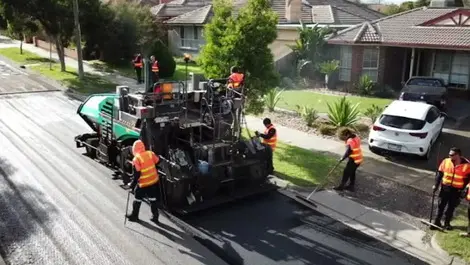
Craigieburn motorists could soon drive on a 300-metre test road made from 200,000 plastic bags and 63,000 glass bottles.
Scientists warn the world could breach 1.5C as soon as 2030, raising flood, drought and sea level risks unless emissions fall sharply.
Residents and developers could face tighter rules as Sydney commits to net zero carbon buildings by 2050 and new builds by 2030.
Their software use has put six Australian infrastructure projects among 57 global finalists in Bentley Systems’ Year in Infrastructure 2018 Awards.
Delaying climate reform could make New Zealand’s shift to a low-emissions economy costlier, more abrupt and far harder to manage.
The Lightning Lab Govtech Accelerator Bootcamp is officially in motion as teams converge on Wellington to put their ideas to the test.
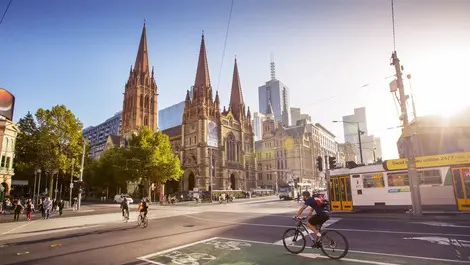
Space, safety and pollution concerns are driving a rethink in central Melbourne, where streets may be narrowed and parking repurposed.
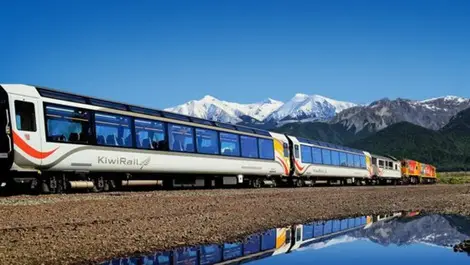
The rail operator plans to measure and report emissions, while shifting more freight off roads could cut New Zealand's annual output by 518,000 tonnes.
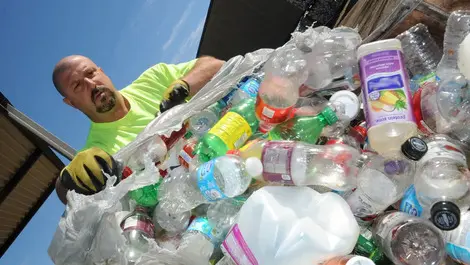
Consumers are being misled by confusing plastic labels, as experts call for clearer standards and tougher government oversight.
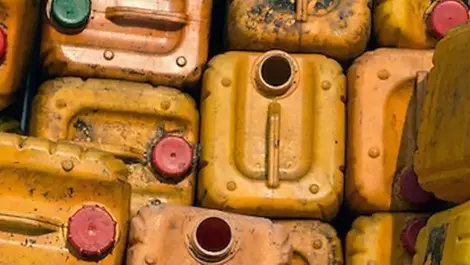
About 7 million lubricant and grease containers still go to landfill each year in New Zealand, prompting a voluntary recycling scheme.
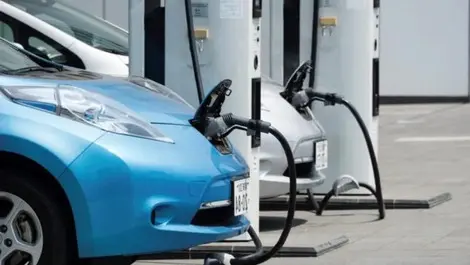
Lower-emission cars could become more affordable in New Zealand if ministers adopt incentives, fuel pricing reforms and tougher scrappage rules.