Labour Shortage stories
The gender wage gap among employees of SMEs is sitting at 7.5% in favour of men, when comparing median hourly wages.
Salesforce has introduced new Customer 360 innovations, which are set to provide companies with better automation and intelligence technologies.
Veritas Technologies is warning that businesses are facing a cost crisis for collaborative working tools due to COVID instigated working practices.
Paytime is a tech platform that plugs into payroll software allowing employees to access a portion of their earned pay before payday.
New research from Citrix reveals hybrid working and ventures into the metaverse are top of mind for Gen Z workers.
New research released today reveals that company values are the new currency when it comes to employee retention in a post-covid economy.
As companies seek to thrive in disruptive times, many are turning to robotics for their labour-strapped warehouses and distribution centres.
Mental health pressures are prompting builders to invest in tech and change work practices, with 45% reporting employee wellbeing issues.
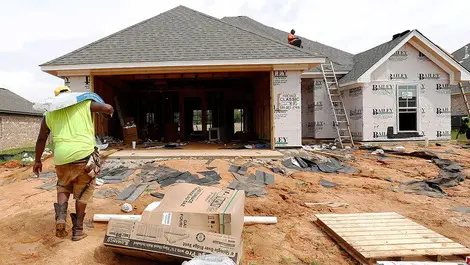
Digital tools could help New Zealand builders deliver homes faster and cheaper as shortages, costs and delays threaten supply.
Phronesis Security has become the first cyber security company in Australia to achieve the coveted B Corp certification, having been certified since June 2022.
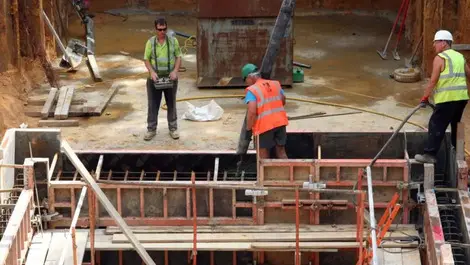
Skills shortages, cost pressures and red tape are leaving New Zealand contractors wary as vital infrastructure projects come under strain.
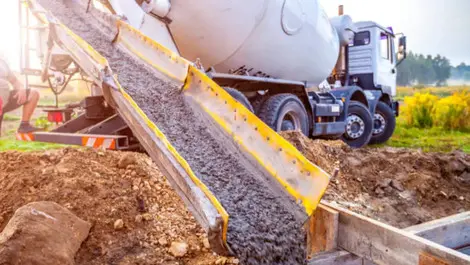
Materials shortages and labour pressures have pushed CoreLogic’s residential construction index to its steepest annual rise since late 2012.
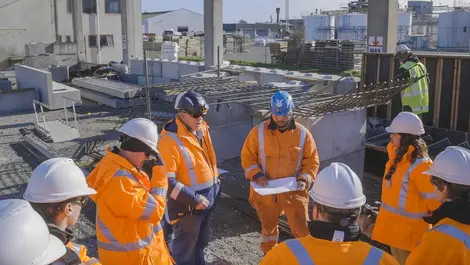
With 44,000 extra workers needed, New Zealand infrastructure firms are courting schoolgirls to fill trade and technical shortages.
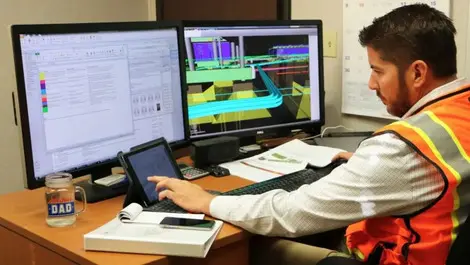
Digital tools are becoming vital as the industry fights a skills shortage and tries to lure younger, tech-savvy workers.
Rework is eroding productivity in New Zealand construction, with firms losing 16% of project time to fixing defects, a Procore report says.
More funding in Budget 2022 will not close New Zealand’s $210 billion infrastructure gap, with workers and costs still straining delivery.
Only 55% of employees say skills development is a priority, widening a gap that could hurt performance and growth in the years ahead.
Delaying action on the 30-year blueprint risks worsening New Zealand's 118,500-worker shortfall and $210 billion infrastructure gap.
The majority of global office workers are feeling increased pressure due to colleagues resigning, with 60% considering resigning themselves.
New Zealand risks missing its infrastructure build-out unless it creates clearer entry points and training for civil construction workers.