Transport stories
A stronger pipeline and recent acquisitions helped lift half-year turnover 21% to GBP £1,730.9 million as secured orders reached GBP £9.8 billion.
For operators of essential services, the main challenge is using AI to improve resilience without creating fresh cyber and safety risks.
Its Manchester team funded £870 million of invoices in 12 months, as the lender expanded into a larger office to meet demand.
Over half of SMEs say finance has become harder to access, with many turning to familiar loans and cards instead of cashflow funding.
Finance and technology firms can still face sharp digital vulnerability despite low overall exposure scores in a new UK security index.
A single supplier outage can now cascade across sectors, with cloud concentration and ransom-driven downtime leaving firms exposed to costly disruption.
The deal will help regulated sectors adopt AI without weakening data controls, with Fujitsu using Google Cloud first in its own operations.
The proposed framework aims to stop unauthorised AI actions in finance and critical infrastructure, where a revoked permission could still be used.
Legacy systems and connected devices may leave sensitive data exposed for years, even after inventories reveal cryptography that cannot be upgraded.
Global private 5G and 4G rollouts are accelerating, with research counting 9,600 projects across 135 countries and more than 400 spectrum routes.
The real test of AI-enabled products is whether they make operators clearer on risk and action, not buried under extra dashboards.
Organisations are expected to judge digital projects by whether they keep services secure, accessible and running when pressure hits, not by novelty alone.
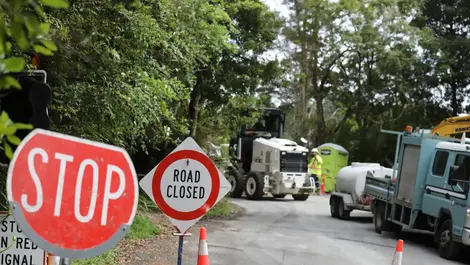
Nearly 300 Titirangi residents have faced months of disrupted access to Tanekaha Road, with some forced to walk a steep track for essentials.
Confidence is weakening as 72% of Australians still want access to a government employee during automated services, Gartner found.
Without a national benchmark, policymakers cannot tell whether resilience spending is shortening outages or limiting cascading failures across vital services.
The new platform has cut duplicate data entry and lets the group recruit, onboard and manage 1,700 seasonal workers a year without paper.
The plan would make operators, not software, liable for mistakes, as regulators weigh whether AI can diagnose and prescribe without oversight.
Nearly half of the 66,213 staff now work offshore as New Zealand's biggest tech exporters grew revenues and lifted pay across most sub-sectors.
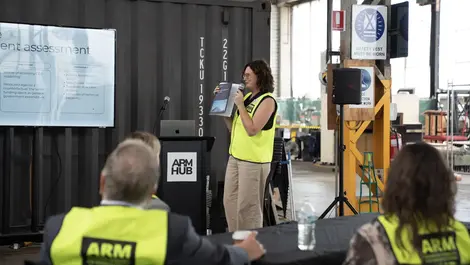
Manufacturing NFP, ARM Hub, welcomed politicians, public servants, start-up founders and media for their Industry Day held in Northgate, Queensland.
Technology buyers can now review six AI assurance services online as the consultancy expands from a six-page brochure site to more than 50 pages.