

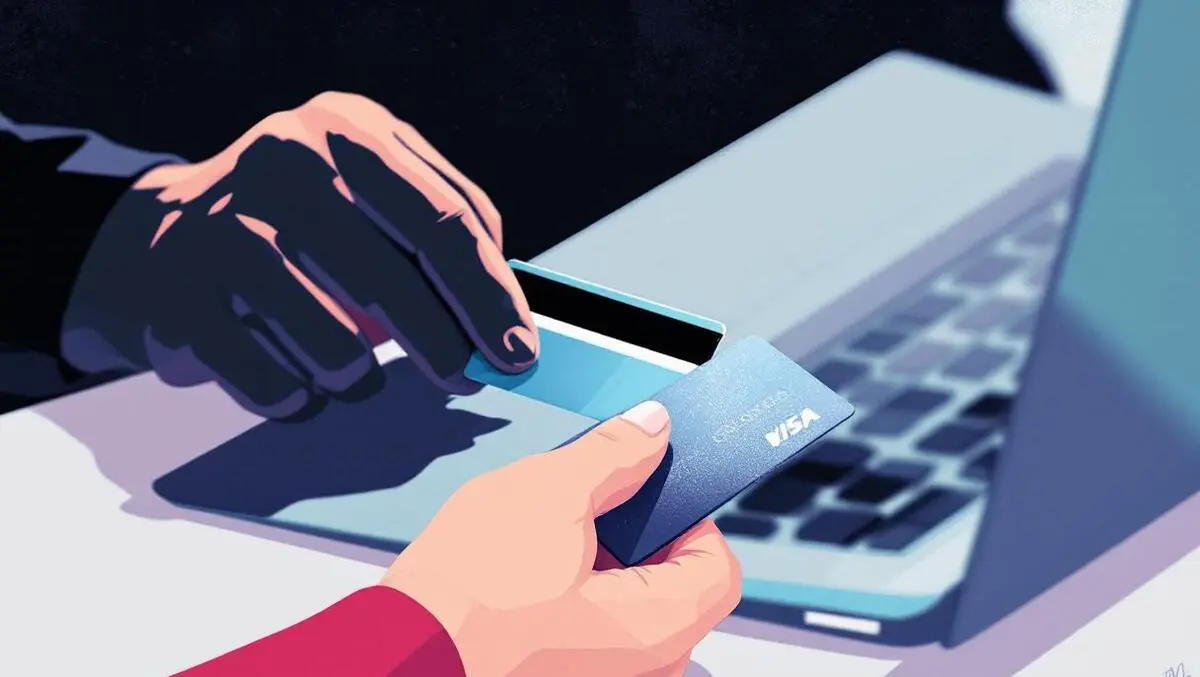
Fraud losses top GBP £1.17 billion as Black Friday scams surge
Thu, 27th Nov 2025
Cybersecurity experts are warning of increased risks during the Black Friday shopping period, urging both retailers and consumers to enhance their defences against a surge in scams and cyber attacks. Reports indicate that fraud and cybercrime losses have climbed as online criminals target seasonal spending sprees, with consumers and businesses alike at heightened risk.
Rising fraud losses
UK shoppers reported losses totalling over GBP £11.5 million to online fraud between November 2023 and January 2024, according to figures from Action Fraud. Each case averaged a loss of GBP £695. Meanwhile, fraud losses in the UK hit GBP £1.17 billion in 2024, driven in part by a 14% spike in unauthorised card fraud, totalling more than 3.13 million cases.
Retailers are also expressing concern over the rapid evolution of scams. A recent payabl survey of retailers found that 33% are most worried about the speed at which new scams emerge. Other challenges include ensuring a smooth checkout experience, which was cited by 31% of respondents, and implementing effective security measures, noted by 29%.
Cybercriminal tactics
Dr Megha Kumar, Chief Product Officer and Head of Geopolitical Risk at CyXcel, warned that criminals are adopting increasingly complex tactics as they target online shoppers and eCommerce sites.
"Black Friday marks the start of the Christmas period for retailers and has become one of the busiest shopping days of the year, both in stores and online, making it a prime target for cybercriminals. Fraudsters are targeting bargain hunters with increasingly sophisticated scams, sometimes crafted using AI, making them harder to detect. This reflects a broader trend, with the UK Finance's Annual Fraud Report 2025 recently revealing that total fraud losses hit £1.17bn in 2024, with unauthorised card fraud up 14% to over 3.13 million cases." said Dr Megha Kumar, Chief Product Officer and Head of Geopolitical Risk, CyXcel.
She added that shoppers face increased phishing attacks, fake websites, and malicious advertisements during the Black Friday period. Fraudsters create convincing offers to lure shoppers to false online marketplaces, compromising payment details and personal data.
Kumar suggested several precautions for online shoppers, including verifying website security credentials, favouring credit cards over debit cards, and avoiding public Wi-Fi for transactions. She also advised shoppers to be particularly wary of promotional emails and adverts, suggesting double-checking website legitimacy before inputting any sensitive information, with a particular caution for online marketplaces.
Retailer response
Martin Jakobsen, Managing Director at Cybanetix, observed an uptick in direct attacks on retailer infrastructure in addition to consumer-targeted scams. He said cybercriminals often deploy distributed denial-of-service (DDoS) attacks as a form of extortion, threatening further disruption unless payments are made.
"Working with retail and online retail we have seen many attempts for malicious groups to hit retailers in their most critical trading period. We have clients which make close to 20% of their annual revenue in the Black Friday period, whereby focus on service continuity is borderline manic. We have had clients subjected to pre-emptive DDOS attacks prior to the period, with the attackers contacting the organisation saying that the attack was one 5% of their bot capacity and if they don't pay they will be taken down during peak trading. This mode of operation is akin to the old mafia protection racket, but instead of burning down a store they take down an online retailer," said Martin Jakobsen, Managing Director, Cybanetix.
Jakobsen noted that while retailers work to combat brand impersonation, including monitoring for fake sites and email domains, the volume of fraudulent offers and urgency among shoppers during the Black Friday window creates ongoing challenges. He revealed that some retailers establish temporary operations centres dedicated to both operational and cyber monitoring during peak periods. Any disruption, he said, can result in immediate lost revenue as customers seek alternatives.
Authentication measures
Michael Downs, Vice President at SecurEnvoy, highlighted the importance of multifactor authentication (MFA) for both consumers and retailers as a basic security step.
"During high profile shopping events like Black Friday, consumers are relying on retailers to have the protections in place that allow them to shop stress-free. Action Fraud revealed that Brits reported losing over £11.5 million to online criminals between November 2023 and January 2024, with each victim losing £695 on average. For retailers, making sure you've got the basics right goes a long way to preventing a headline grabbing security incident. Last year, the NCSC launched a national campaign to encourage people to turn on Multifactor Authentication (MFA) to help protect their online accounts. Since Black Friday brings a surge in account takeover attempts, fortifying login and checkout with strong, simple authentication is an easy security measure to get right. And consumers want these security measures; with 66% saying they trust a company more if it requires them to use MFA. MFA adds an extra layer of verification so that even if a password is stolen, leaked, or guessed, attackers still can't access the account without the second factor - it's a key requirement of PCI DSS, the compliance framework retailers and eCommerce providers must adhere to in order to safeguard customers. For consumers, in addition to implementing MFA, they should use strong and unique passwords, avoid reusing credentials across sites, and stay alert to phishing attempts that try to trick them into revealing verification codes or clicking malicious links," said Michael Downs, Vice President, SecurEnvoy.