

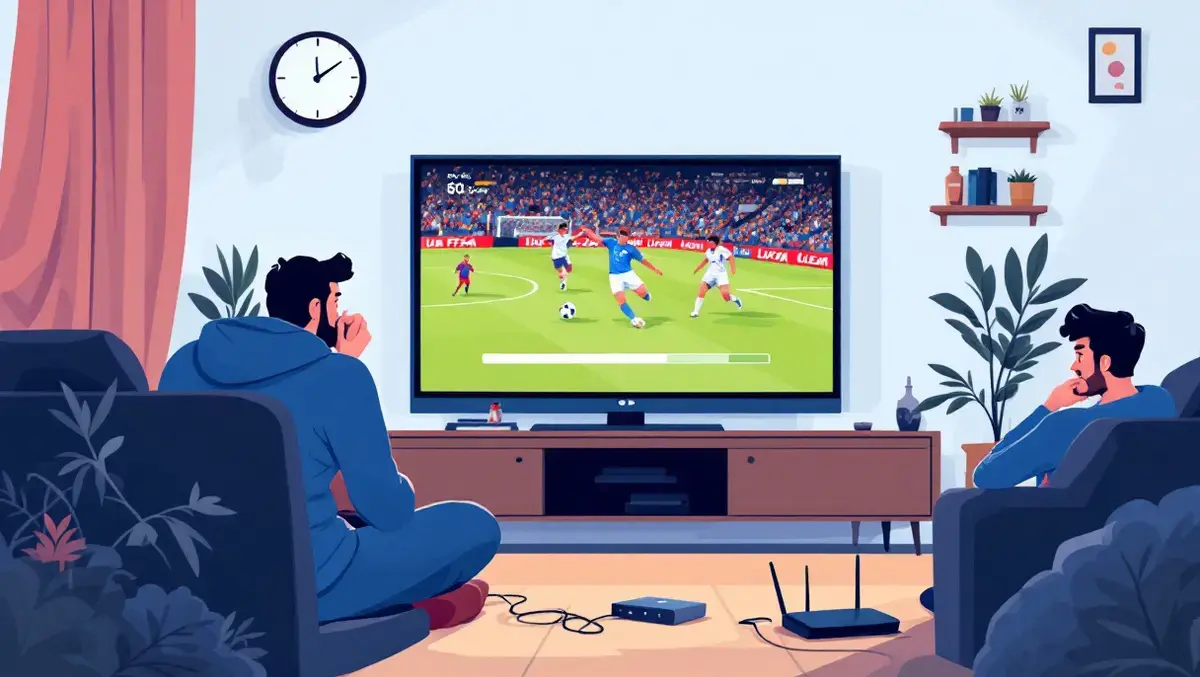
One in five UK fans miss live sport due to broadband
Wed, 17th Jun 2026
Research published by Zen Internet suggests one in five UK sports fans have missed key moments in live sport because of internet problems at home, highlighting persistent disruption during major events.
A survey of 2,000 British adults found that 47% had experienced some form of internet-related issue while watching live sport. The main complaints were buffering and freezing, along with delays, app failures, poor picture quality and congestion caused by multiple connected devices.
Among the specific problems identified, 14.2% said their internet slowed because several devices were connected at once. Another 12.8% reported delays compared with live television or social media updates, 12.7% said streaming apps had crashed or failed to load, and 11.6% had experienced poor picture quality or lag.
The figures come as more viewers use online services rather than traditional broadcast channels to watch live sport at home. That shift has increased scrutiny of the quality and resilience of household broadband, especially during matches that attract large simultaneous audiences.
Zen said about 19.4 million people in the UK watched England's World Cup quarter-final against France in 2022, making it one of the tournament's most-watched broadcasts in Britain. It also recorded its highest internet traffic peak of the year during the France v Morocco semi-final, when demand on its network rose 21% above the previous year's peak.
The latest polling suggests appetite for football tournaments remains high. Seven in 10 respondents said they intended to watch at least some of the 2026 FIFA World Cup, compared with 52% who said the same ahead of the 2022 tournament.
Not all of those viewers plan to watch from home. Around 13% to 14% said they expected to go to a pub or public screening, while almost half of those watching at home said they would rely on an internet connection rather than a conventional television broadcast.
Some households appear to be preparing for possible disruption. One in seven respondents said they would check their internet connection before kick-off.
Richard Tang, Chief Executive Officer of Zen Internet, said rising demand for streamed sport is exposing weaknesses in home set-ups at crucial moments.
"There are few things more frustrating for sports fans than having a stream freeze just as a goal is scored, a wicket falls or a race reaches a crucial moment. Major sporting events bring millions of people together, but they also place huge demands on home broadband networks as households stream matches across multiple devices at the same time.
With millions expected to stream FIFA World Cup matches this summer, there are a few simple steps households can take to give themselves the best chance of enjoying uninterrupted coverage.
If you're planning to stream a big match, it's worth checking your connection in advance rather than waiting until kick-off. Make sure your streaming apps and devices are up to date, position your router in the best possible location and, where possible, connect your TV or streaming device directly to your router using an ethernet cable.
It's also worth being mindful of what else is happening on your home network. Large downloads, software updates, online gaming and multiple streams running at the same time can all place additional demands on your broadband connection," Tang said.
Viewing habits
The findings reflect a broader shift in how audiences watch live events, with streaming now a regular choice for sport despite its vulnerability to delays. Even when a connection is stable, internet delivery can trail terrestrial television by several seconds, creating a familiar problem for viewers who hear reactions from neighbours or see social media updates before the action appears on screen.
Zen said terrestrial television remains the better option where available because streaming can lag behind the broadcast feed. For broadband providers, however, major tournaments remain a test of consumer demand as concurrent viewing places extra strain on domestic networks.
Practical steps
Zen advised viewers to run a speed test before a match, update streaming apps and devices in advance, and avoid large downloads or cloud backups during important fixtures. It also recommended using an ethernet connection where possible, or watching near the Wi-Fi router, and checking whether other members of the household are gaming, streaming or making video calls during peak viewing times.
The research was conducted by Censuswide among 2,000 UK adults.