

Skinive expands AI skin health platform beyond checks
Mon, 13th Jul 2026.webp)
Skinive has expanded its artificial intelligence platform into a broader skin health ecosystem, extending its focus beyond single-image skin lesion checks.
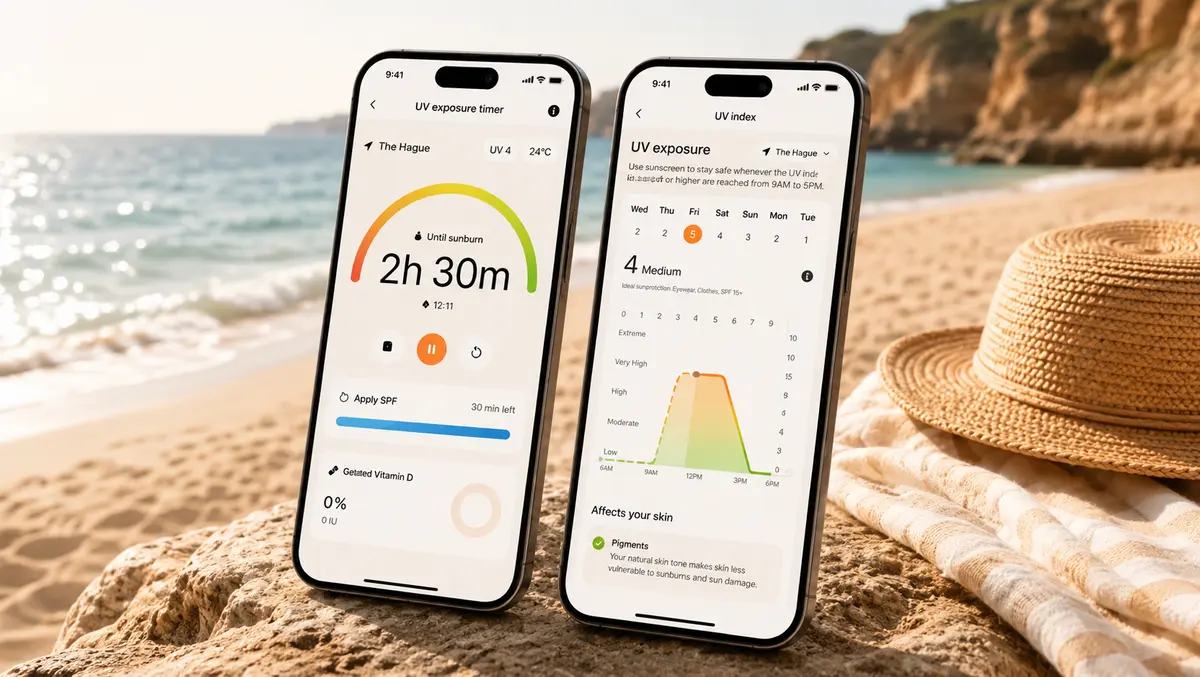
The updated platform combines skin analysis, mole monitoring, UV index tracking, sun exposure guidance and vitamin D exposure estimates in one system. It supports more than 25 languages and is designed to help users track skin changes over time rather than rely on one-off assessments.
Skinive, a European digital health company, says its technology can analyse more than 60 common skin conditions. The broader offering reflects a shift in consumer healthcare towards prevention, ongoing monitoring and greater patient involvement between appointments.
Its artificial intelligence has processed more than six million skin images since launch, while the app has passed one million downloads worldwide. That has given the company a large body of real-world smartphone skin images for model development.
Broader platform
The expansion also includes an enterprise application programming interface for telemedicine providers, health insurers, digital health companies and mobile app developers. It is intended to let organisations add skin analysis tools to their own services without building their own computer vision systems.
According to Skinive, the API includes automated image quality assessment, skin lesion segmentation, structured artificial intelligence outputs and processing on European infrastructure designed to comply with European data protection rules.
The European version of the product operates as a CE-marked medical device. It is intended to provide information to users and encourage medical consultation when the system identifies elevated risk.
Kirill Sokol outlined the company's view of artificial intelligence in care. "The future of AI in healthcare is not about replacing physicians," said Kirill Sokol, Chief Executive Officer, Skinive. "It's about helping people make better decisions between medical appointments. AI can encourage earlier attention to skin changes, but clinical diagnosis and treatment decisions should always remain with healthcare professionals."
Responsible use
As it broadened the platform, Skinive also emphasised the limits of automated assessment. The product is designed to support awareness and monitoring rather than replace clinicians.
That position comes as health systems and digital health developers face closer scrutiny over the safety, transparency and trustworthiness of artificial intelligence tools. Skinive also pointed to a wider shift towards continuous management and preventive support rather than isolated checks.
Sokol said those safeguards should be explicit to users. "Responsible AI starts with transparency," he said. "Users should clearly understand both what AI can do and what it cannot do. The technology should support healthcare systems by encouraging earlier action-not by creating false confidence."
The latest changes place Skinive in a growing segment of consumer health technology focused on combining monitoring, behaviour guidance and referral prompts in a single service. In its case, that includes environmental information such as real-time UV conditions alongside image-based assessment and follow-up tracking for moles and other skin lesions.
By linking those functions, the platform is positioned as a tool for routine skin health management between doctor visits. The enterprise push also suggests Skinive is seeking wider distribution through insurers, telemedicine groups and digital health providers as artificial intelligence becomes more embedded in consumer-facing medical services.
Skinive says its technology is intended to help people notice potentially concerning changes earlier and make more informed decisions about when to seek medical advice. In its view, the next phase of artificial intelligence in consumer healthcare will centre on continuous health management, preventive care and trustworthy deployment rather than isolated predictions.