

Trump tops world's most-searched AI voice rankings
Thu, 16th Jul 2026.webp)
Donald Trump is the world's most-searched AI voice, according to Murf AI, with 46,770 annual searches.
The AI text-to-speech platform based the ranking on Semrush search volume data. Trump's total exceeded the combined searches for the AI voices of Barack Obama, Stephen Hawking, Morgan Freeman, MrBeast and Taylor Swift.
Political figures account for 27% of the 15 most-searched AI voices, suggesting interest in synthetic voices extends beyond entertainment and into politics, where impersonation can have wider consequences.
Stephen Hawking ranked second with 7,600 annual searches, followed by Morgan Freeman with 5,910 and Obama with 5,410. Arnold Schwarzenegger placed fifth with 3,790, while David Attenborough, Joe Biden, Snoop Dogg, Eminem and MrBeast completed the top 10.
The remaining names in the top 15 were Kanye West, Taylor Swift, Elon Musk, Drake and Ice Spice. Search volumes ranged from 1,740 for Kanye West to 990 for Ice Spice.
Murf AI said demand for these voices is largely driven by satirical content, parody debates, viral videos, memes and deepfake-style clips shared on social media. That trend places synthetic speech tools at the centre of an ongoing debate about consent, misuse and the limits of current rules.
Regulatory gap
The findings come as governments and public figures face growing pressure to define how AI-generated audio should be labelled, licensed and controlled. The debate has intensified as synthetic voice tools have become easier to access and more convincing.
In Europe, the EU AI Act will require AI-generated content to be labelled from August 2026. In the United States, there is still no federal law banning political deepfakes, leaving a patchwork of state-level measures and platform policies to address misleading audio and video.
That gap has become more visible as well-known figures try to protect their voice and likeness. Matthew McConaughey has taken steps to prevent AI impersonation, Scarlett Johansson has publicly objected to a ChatGPT voice that sounded like her, and Taylor Swift has reportedly filed trademark applications covering her voice and image amid concerns about AI misuse.
The Murf AI figures do not measure how often cloned voices are used in finished content, but they offer a snapshot of public demand. Search activity can indicate where audience interest is strongest, especially around political figures with familiar, easily recognised speech patterns.
Trump's position at the top stands out because it puts a sitting political figure ahead of actors, musicians and broadcasters whose voices have long been imitated in popular culture. The gap is also striking: his total is more than six times that of the second-placed name.
That concentration of interest is likely to heighten concerns about the use of synthetic voices in election-related satire, false endorsements and fabricated speeches. Even when intended as parody, critics argue such clips can circulate without context and mislead audiences once detached from their original source.
Murf AI linked the ranking to a broader question of governance in AI voice generation, arguing that rising demand for cloned voices will increase pressure on regulators, platforms and brands to build systems that make synthetic audio easier to identify and harder to misuse.
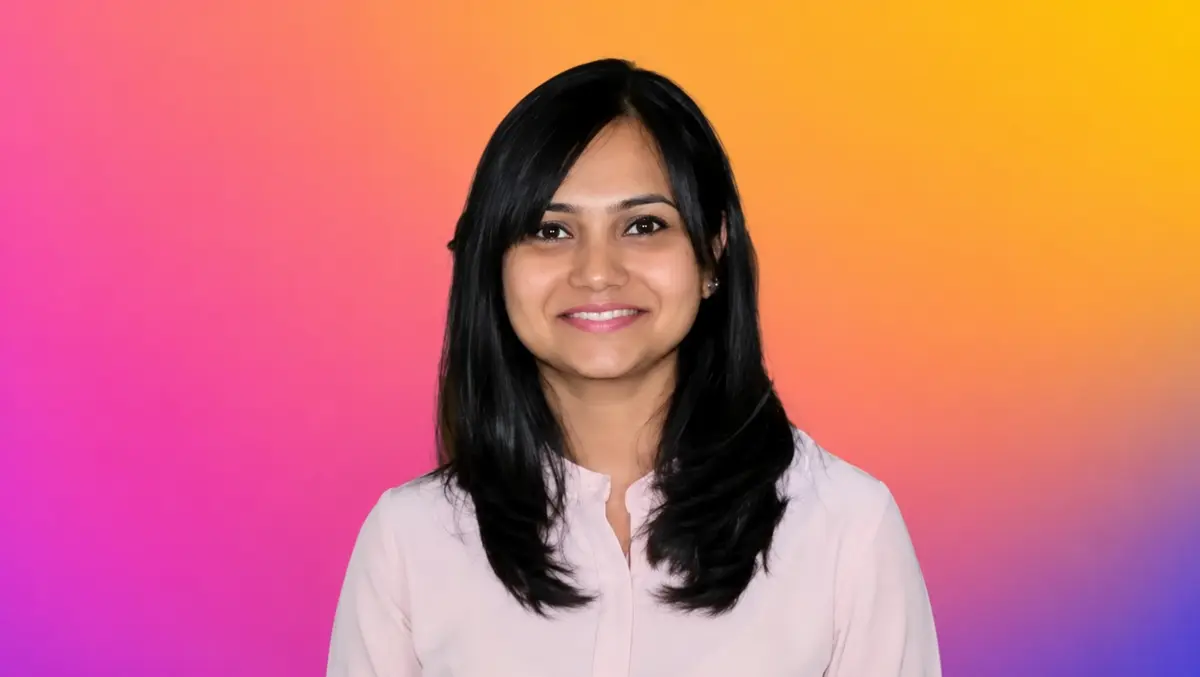
Sneha Roy, Co-founder and COO of Murf AI, said: "Beyond the search numbers, the ranking points to a wider problem for AI voice governance. When voices are ethically licensed and fairly compensated, we unlock creative possibilities without compromising integrity. The real opportunity in AI voice is collaboration rather than limitation."