Radio Frequency stories
The deal gives defence and public safety agencies in Australia and New Zealand local technical, servicing and warranty support for INVISIO systems.
The three-year deal gives the Australian-listed company a route to US defence orders as concern over small drones near bases intensifies.
The hire signals EnGenius's push to expand across North America through partners as it tries to win more cloud networking and security business.
Production cars in Europe will get a lighter, cheaper 5G system as LG starts deliveries to a premium carmaker.
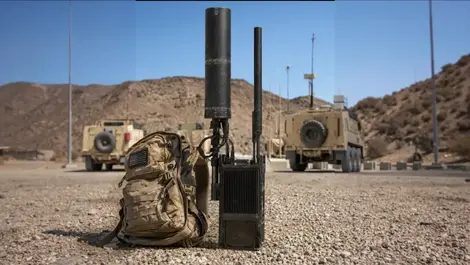
Demand for counter-drone tools is rising as armed forces seek portable kit that can interpret radio signals in the field, not just collect them.
The new manufacturing process could make multibeam satellite antennas cheaper to scale, with wider coverage for defence and radar users.
Orders for vehicle-mounted counter-drone systems will lift committed revenue to AUD $206 million for 2026, even as margins ease.
Brand owners can now use the same RFID label in Europe and North America after the tag cleared recycling tests for PET bottles.
Demand for indoor mobile coverage is rising across Asia-Pacific as organisations seek more reliable communications inside large facilities.
The French firm's new microsatellites broaden radio frequency monitoring beyond ships, giving customers wider coverage of land and space activity.
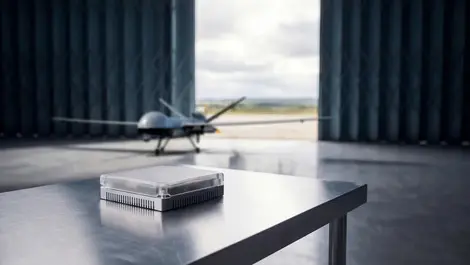
The system aims to bring military-grade satellite navigation protection to drones, ships and other lower-cost platforms facing rising jamming threats.
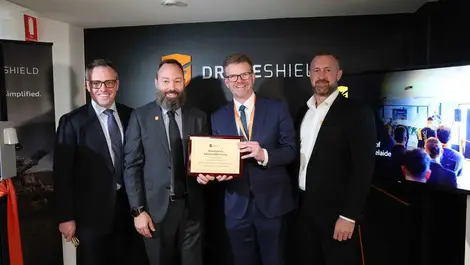
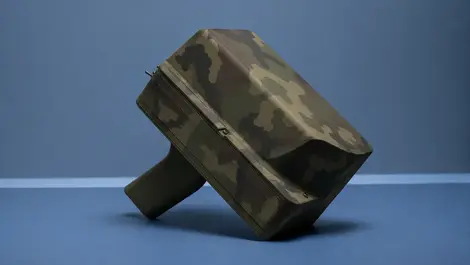
Portable protection against battlefield drones may soon reach every soldier, after the Australian device won recognition for meeting a growing frontline need.
Paper-based dispatch at the New Zealand manufacturer has been replaced with RFID tracking, cutting some picking tasks from 15 minutes to five.
The AUD $13 million site will widen DroneShield's engineering reach as demand grows for counter-drone systems and skilled staff intensify.
Irish organisations can now buy Ekahau Wi-Fi planning tools through ROCTEL, as demand rises for better coverage and in-house network testing.
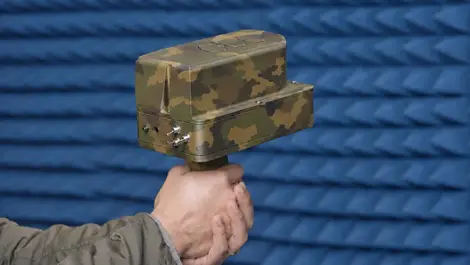
Backed by federal funding, the Australian-made device aims to give soldiers and security teams a lighter way to disrupt fast-evolving drone threats.
Australian coal producers using the RFID system have seen average yield gains of 6%, while lab turnaround has shrunk from weeks to minutes.
Success could ease lock-in fears for satellite operators as the firms test whether separate laser systems can connect across orbit and ground networks.
Airports and energy sites facing escalating drone threats may gain faster response times as the new system combines radar, cameras and interceptor drones.
Spark New Zealand customers with patchy reception can now use a carrier-approved booster in vehicles, small homes and apartments.
















.webp)